



 Analytics
Industrial parks: A strategic reserve for Ukraine or risks in times of war?
Analytics
Industrial parks: A strategic reserve for Ukraine or risks in times of war?



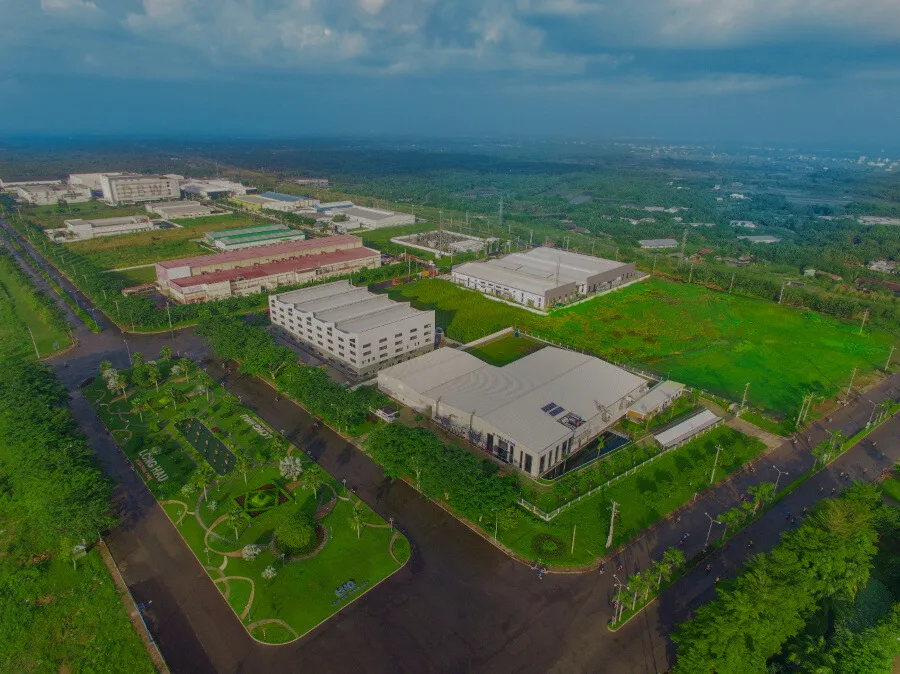
WHAT ARE INDUSTRIAL PARKS?
Industrial parks are specially designated areas for industrial production facilities that feature ready-to-use infrastructure, preferential treatment, and simplified procedures for investors. According to the Law on Industrial Parks (2012), an industrial park is defined as a plot of land with utility connections, designated for the manufacturing industry, research and development, and information technology.
Although the concept of an industrial park has been defined since 2013, the real surge in project registration and development occurred during the period of martial law. In 2024, a record 31 parks were registered, compared to 13 parks in both 2017 and 2023.
ASSESSMENT OF THE SITUATION AS OF 2025
According to the “Made in Ukraine” project, as of early 2025, there are about 100 officially registered industrial parks in Ukraine, with a total area of approximately 3,000 hectares.
The State Budget for 2024 year provides for 1 billion hryvnias for the development of infrastructure for industrial parks, including a co-financing program that provides (up to 150 million per facility).
Every hryvnia of government investment in industrial parks generates between 5 and 6 hryvnias in private investment—this multiplier effect is identified as a key benefit of the system.
At the same time, experts warn that the sustainable development of this model is possible only if the risks of military threats are reduced and effective investment insurance mechanisms are in place. So far, nearly 90% of investments by residents have been made by Ukrainian companies.
WHAT DOES AN INVESTOR NEED TO KNOW?
As of 2025, investors should pay attention to a number of legal and financial aspects. First, Ukraine offers tax incentives for residents of industrial parks: VAT exemption on imported equipment, a 10-year corporate income tax exemption, and preferential terms for land leases. There are also government and international grant programs, including those from USAID, the EU, GIZ, and other donors, that fund the development of manufacturing infrastructure.
It is advisable for investors to conduct a thorough legal review of the selected industrial park, including verifying its status in the Ministry of Economy’s Registry, analyzing utilities, access to logistics, energy rates, and the terms for connecting to the power grid. It is important to monitor changes in legislation, particularly regarding capital repatriation conditions, labor restrictions, and war risk insurance for projects. Careful structuring of the agreement will help mitigate risks and ensure legal protection for investments.
Comparison Table of Benefits for Residents
| Benefit | Description |
| VAT | VAT Exemption on Equipment Imports |
| Income Tax | Exemption for up to 10 years from the date the profit is earned |
| Land lease | Reduced rate, or zero rate for the first 3 years |
| Reimbursement of Expenses | The government reimburses up to 50% of the costs of connecting to utility networks |
| Infrastructure grants | Up to 150 million UAH per project (competitive selection) |
| Connection Priority | Priority Connection to Electricity and Water Networks |
| Customs Preferences | Simplified Customs Clearance Procedure for Imported Equipment |
CONCLUSION
Industrial parks are not only an opportunity for Ukraine’s economic breakthrough, but also a concrete tool for attracting investment, reviving industry, and stimulating regional development. In times of war, they serve as a platform for building national resilience and rethinking economic strategy.
At the same time, the risks remain high: without a transparent tax policy, a stable legal framework, and guarantees for capital protection, industrial parks may lose their investment appeal. That is why legal advisors play a crucial role not only in facilitating transactions but also in establishing structural mechanisms to build trust in the Ukrainian economy among international businesses.
The ARMADUM LAWYERS team provides comprehensive legal support for participation in industrial park projects, including registration, negotiations with government agencies, tax structuring, and the drafting of investment contracts.